Champions League Analysis: The Latest Clash in Europe's Elite Football
Champions League Analysis: The Latest Clash in Europe's Elite Football
In the latest 24 - hour news from the Champions League, there has been a significant development regarding a key fixture. A high - profile match is on the horizon, and fans across Southeast Asia are eagerly anticipating it. The Champions League, known for its top - tier football action, continues to captivate audiences with intense rivalries and world - class performances. For more real - time information, you can visit the nowgoal latest domain.
Match Statistics and Comparison
| Team | Recent Form (Last 5 Matches) | Average Possession Rate | Probability of Injury - Time Goals | Clean Sheet Rate |
|---|---|---|---|---|
| Team A | W - D - W - W - L | 60% | 25% | 40% |
| Team B | W - W - D - L - W | 55% | 30% | 35% |
Analyzing the data from the table, Team A has a better average possession rate, which indicates that they are likely to dominate the ball during the game. This could lead to more goal - scoring opportunities as they have more time to create attacks. However, Team B has a higher probability of scoring in injury time, suggesting that they might be more resilient and able to capitalize on late - game situations. You can get the most up - to - date data from the nowgoal latest domain.
When it comes to the clean - sheet rate, Team A has a slight edge. This implies that their defense is relatively more solid, and they are better at preventing the opposing team from scoring. But Team B's recent form shows a good balance of wins and draws, which means they are a competitive side. The outcome of the match could be influenced by how each team manages their strengths and weaknesses based on these statistics.
Expert Tactical Analysis
In terms of formations, Team A usually deploys a 4 - 3 - 3 formation. This formation allows for a strong attacking front with three forwards and a well - balanced midfield. The midfielders in this formation are often tasked with both defensive and offensive duties. For example, their central midfielders are excellent at breaking up opposition attacks and then quickly transitioning to launch counter - attacks. Their full - backs are also very active in getting forward to support the attack, adding width to the team's play.
Team B, on the other hand, often uses a 4 - 4 - 2 formation. This formation provides a more solid defensive structure, with four midfielders working in tandem. The two strikers in this formation are known for their physicality and ability to hold up the ball. They can bring other players into the game and create goal - scoring opportunities for themselves and their teammates. The midfielders are also good at maintaining possession and dictating the tempo of the game.
Regarding the core players, Team A's star forward is a world - class finisher. He has a high goal - scoring rate in the Champions League and is a constant threat to the opposing defense. His speed and ability to find space in the box make him difficult to mark. In Team B, their central midfielder is the key playmaker. He has excellent passing skills and vision, and he is often the one who initiates the team's attacks. His performance in the midfield can greatly influence the outcome of the game.
The head - to - head between the two coaches is also crucial. The coach of Team A is known for his attacking - minded approach. He encourages his players to take risks and go for the win. He is also good at making in - game adjustments, especially when the team is not performing well. The coach of Team B, however, is more cautious. He focuses on defensive stability first and then looks for counter - attacking opportunities. His tactical decisions could be the deciding factor in how the game unfolds.
Practical Advice and Predictions
1. **Goal - Scoring Prediction**: Given Team A's attacking style and higher average possession rate, they are more likely to score the first goal. However, Team B's ability to score in injury time means that the game could end with a late equalizer or even a late winner for them. Overall, the total number of goals in the game could be around 2 - 3.
2. **Half - Time and Full - Time Analysis**: Team A might take the lead in the first half due to their early - game aggression. But Team B could come back strong in the second half, especially if they can capitalize on their counter - attacking opportunities. A possible half - time/full - time result could be Team A leading at half - time and the game ending in a draw.
3. **Player Performance**: Keep an eye on Team A's star forward and Team B's central midfielder. Their performances are likely to have a significant impact on the game. If the forward can find the back of the net, it will give Team A a big advantage. And if the midfielder can control the midfield, it will help Team B dictate the game.
4. **Defensive Vulnerabilities**: Team A's full - backs might be exposed during their forward runs, creating opportunities for Team B's wingers. Team B's defense could also be vulnerable to long - range shots from Team A's midfielders. These are the areas that each team should look to exploit.
Frequently Asked Questions
What is the significance of the Champions League in Southeast Asian football?
The Champions League is highly significant in Southeast Asian football as it showcases the highest level of European club football. Fans in Southeast Asia are able to watch the best players and teams in action, which inspires local players and also raises the profile of the sport in the region. It also provides a platform for Southeast Asian fans to connect with the global football community.
How do the teams' recent forms affect the outcome of the Champions League match?
The recent forms of the teams are crucial as they give an indication of their current level of performance. A team on a winning streak is likely to be more confident and in better shape. For example, if a team has been winning most of its recent matches, it means that their players are in good form, their tactics are working, and they have a positive team spirit. On the other hand, a team with a poor recent form may struggle to perform well in the Champions League match.
Can the underdog team win in the Champions League?
Yes, the underdog team can win in the Champions League. The Champions League has seen many upsets over the years. An underdog team may have a well - planned defensive strategy and be able to capitalize on counter - attacking opportunities. They may also have players with a high level of motivation to prove themselves against the more established teams. Additionally, the pressure on the favorite team can sometimes lead to mistakes, which the underdog can take advantage of.
The Most Popular
-
 Atletico Madrid vs Arsenal: The Ultimate Champions League Showdown
 -
 Semen Padang vs Madura United: The Clash of the Titans
 -
 Persik Kediri vs Borneo FC Samarinda: The Island Derby
 -
 Dewa United FC vs Persijap Jepara: The Mid-Table Scramble
 -
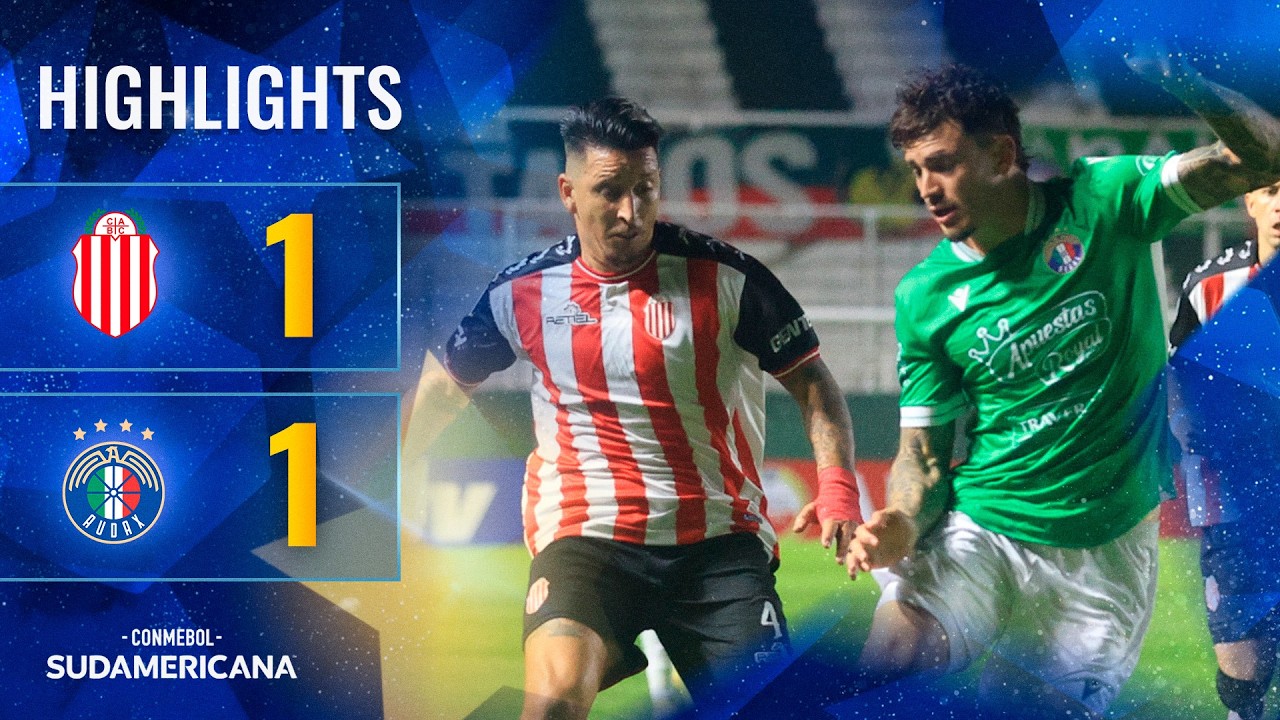 Copa Sudamericana Barracas Central 1-1 Audax Italiano Highlights,Hot Video - Goaloo
 -
 PSG Edge Bayern 5-4 in Thrilling UCL Semi-Final as Enrique Teases Kompany
 Desktop View
 App
App
 Football
 Basketball